
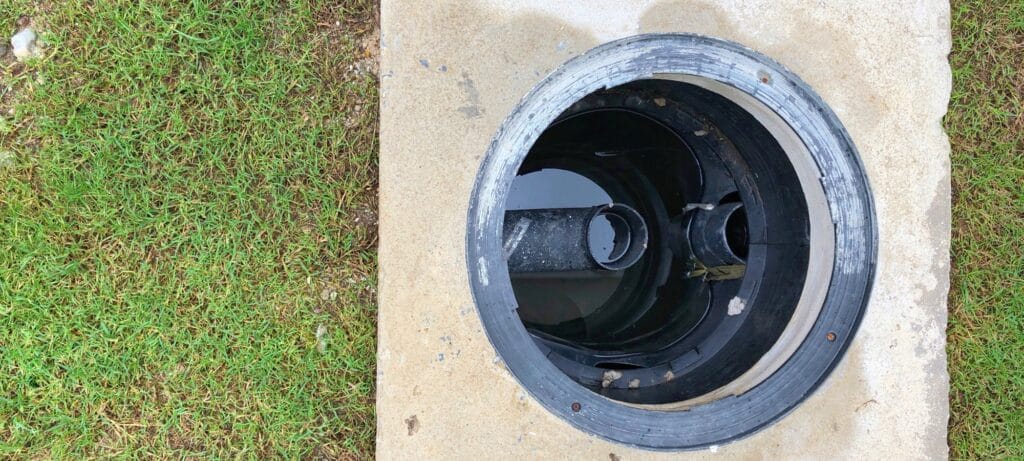
Many older homes in neighborhoods like Capitol Hill, Washington Park, and Hilltop still have original clay or cast iron sewer lines. Sewer line inspections in Denver help homeowners and buyers uncover hidden pipe problems before they become costly repairs.
- What it is: A camera inspection of your sewer line from your home to the city main.
- How long it takes: Most inspections take 45–90 minutes.
- What it finds: Tree roots, cracks, pipe bellies, corrosion, and blockages.
- What happens next: You’ll receive a video, report, and repair recommendations if needed.
Elite Pipe MD specializes in trenchless sewer line repair and performs full diagnostic sewer inspections throughout Denver. Below, we’ll explain how the inspection works, what it reveals, and what to expect if repairs are recommended.
What Is a Sewer Line Camera Inspection?
A sewer line camera inspection uses a waterproof CCTV camera to inspect the sewer lateral connecting your home to the city sewer main. Unlike a basic sewer scope that only records video, a full diagnostic inspection also locates problem areas, maps the pipe, and determines the appropriate repair if damage is found.
What Equipment Is Used?
The inspection features a flexible, waterproof camera attached to a push-rod cable that displays live video on a monitor above ground. Elite Pipe MD uses a pipe locator to identify the camera’s exact depth and position, providing more detailed information than a basic sewer scope alone.
Who Needs a Sewer Line Inspection?
Older homes are especially vulnerable to root intrusion from Denver’s mature cottonwood and elm trees. Schedule a sewer line inspection if you’re buying or selling a home, dealing with recurring drain backups, own a home built before 1985, or are planning work that could affect your sewer line.
Why Denver Homeowners Need Regular Sewer Inspections
Routine inspections are an important part of sewer line maintenance, helping you catch problems early and avoid emergency repairs.
- Older pipes are more likely to fail. Many homes in Washington Park, Congress Park, Hilltop, and Park Hill still have clay sewer lines that may have aged beyond their expected service life.
- Tree roots can invade sewer lines. Mature cottonwood and elm trees commonly grow into older pipe joints, causing blockages and damage over time.
- Denver’s soil puts stress on pipes. Expansive soils and freeze-thaw cycles can create cracks, separated joints, and pipe bellies that aren’t visible from the surface.
- You’re responsible for the sewer lateral. Denver homeowners are generally responsible for the private sewer line connecting their home to the city main, making regular inspections a smart investment.
How Often Should You Schedule a Sewer Line Inspection?
If you’re buying a home that’s more than 30 years old, schedule a sewer line inspection before closing. Elite Pipe MD also recommends an inspection before trenchless pipe lining or pipe bursting to determine the right repair method.
Signs You Should Schedule a Sewer Line Inspection Now
- Multiple drains back up simultaneously.
- Toilets gurgle after running sinks or showers.
- You notice sewage odors inside or outside your home.
- Grass above the sewer line is unusually green or lush.
- Your home has never had a sewer line inspection.
How a Sewer Line Inspection in Denver Works — Step by Step
Most sewer line inspections follow the same straightforward process from start to finish.
Step 1 — Locating the Cleanout Access Point
Your technician begins by locating the sewer cleanout, usually near the foundation or in the basement. If your older Denver home doesn’t have one, the line may be accessed by temporarily removing a toilet. The technician also identifies the sewer line’s path toward the street and can install a cleanout during the same visit if needed.
Step 2 — Running the Sewer Line Camera Through the Pipe
The camera is fed through the sewer line, typically traveling 60–100 feet to the city connection. You’ll watch the live video as the technician explains any root intrusion, pipe bellies, cracked or offset joints, cast iron corrosion, or grease buildup.
Step 3 — Locating and Documenting Problem Areas
If damage is found, a pipe locator identifies the camera’s exact depth and location to pinpoint repair areas. You’ll receive a video recording and written report detailing the type, location, and severity of any issues. Elite Pipe MD includes pipe locating with every inspection.
Sewer Line Camera Inspection Cost in Denver
The cost of sewer line inspections in Denver varies based on the type of inspection, line length, and accessibility. Emergency service, difficult access, or a required toilet pull may increase the price. Many contractors, including Elite Pipe MD, may apply the inspection fee toward repair work if you move forward with service.
Contact Elite Pipe MD for current pricing.
Is a Sewer Inspection Worth the Cost?
In many cases, yes. A few hundred dollars for an inspection can identify root intrusion or a pipe belly before they become major failures. Catching problems early may allow trenchless sewer pipe lining instead of more expensive methods, potentially saving thousands in repair costs.
Does Homeowner’s Insurance Cover Sewer Line Inspections?
Typically, no. Standard homeowners insurance generally doesn’t cover preventive sewer inspections or normal sewer line repairs. Some policies offer optional service line or sewer backup coverage, so it’s worth reviewing your policy to understand what’s included.
What Happens After a Sewer Line Inspection in Denver?
Your inspection results will help determine whether your sewer line needs maintenance, sewer line repair, or sewer line replacement.
- No significant issues: If the line is in good condition, continue routine sewer line cleaning and schedule another inspection in 3–5 years.
- Moderate damage: Root intrusion, a cracked joint, or a minor pipe belly can often be repaired with trenchless sewer pipe lining, which restores the existing pipe without excavation.
- Severe damage: Multiple collapsed sections or extensive cast iron deterioration may require pipe bursting or cast iron pipe replacement, depending on the pipe’s condition
Sewer Line Cleaning vs. Sewer Line Repair
Sewer line cleaning removes roots, grease, and debris but doesn’t repair cracked or damaged pipe. If the inspection identifies root intrusion, technicians typically clean the line before completing a lining or replacement. Cleaning restores flow, while the repair addresses the underlying structural damage to help prevent future problems.
When Is Sewer Line Replacement Necessary?
If you’re facing a major repair recommendation, ask for the inspection video and written report to verify the extent of the damage. Elite Pipe MD provides this documentation with every sewer line inspection in Denver.
Frequently Asked Questions
How long does a sewer line inspection take in Denver?
Most residential sewer line inspections take 45–90 minutes, including setup, the camera inspection, pipe locating, and a review of the findings. Older homes without a clean out may take a little longer.
Do I need to be home during the sewer inspection?
Yes. Being present lets you watch the live camera feed, ask questions, and receive the inspection video and written report before the technician leaves.
What is the difference between a sewer scope and a sewer inspection?
A sewer scope provides a basic camera inspection and video recording. A full sewer inspection also includes pipe locating, depth measurements, and a written report to help plan any necessary repairs.
Can tree roots damage my sewer line in Denver?
Yes. Mature cottonwood, elm, and other trees commonly send roots into older clay sewer pipes, where they can cause blockages and structural damage over time.
Will the inspection damage my pipes?
No. The flexible, waterproof camera is designed for residential sewer lines and won’t damage your pipes when used by a trained technician.
